

Daily protein quota

150g/j

See details
CalculatorSourced · ISSN 2017 · Morton 2018

Protein calculator: how much per day?

Get your daily protein quota in grams based on your weight, goal and activity level — evidence-based recommendations (ISSN, Helms 2014, Morton 2018).

Photo of Adrien Grusse

By Adrien Grusse

Published 2026年4月28日 · Updated 2026年4月28日

Your information

Gender
kg
Main goal
Physical activity level

The more intense the training, the higher the protein need (up to 2.8 g/kg for cutting athletes).

Daily protein quota

150g

per day · 2 g/kg of body weight

Distribution across the day

Number of feedings

5

meals/snacks

Protein per feeding

2535g

Energy contribution

600kcal

Protein sources: equivalents

  • Chicken (breast)30 g
  • Lean beef26 g
  • Salmon22 g
  • Eggs6 g
  • Skyr11 g
  • Whey (powder)24 g
  • Firm tofu12 g
  • Cooked lentils9 g

Combine 2–3 sources per day to vary essential amino acid and micronutrient intake.

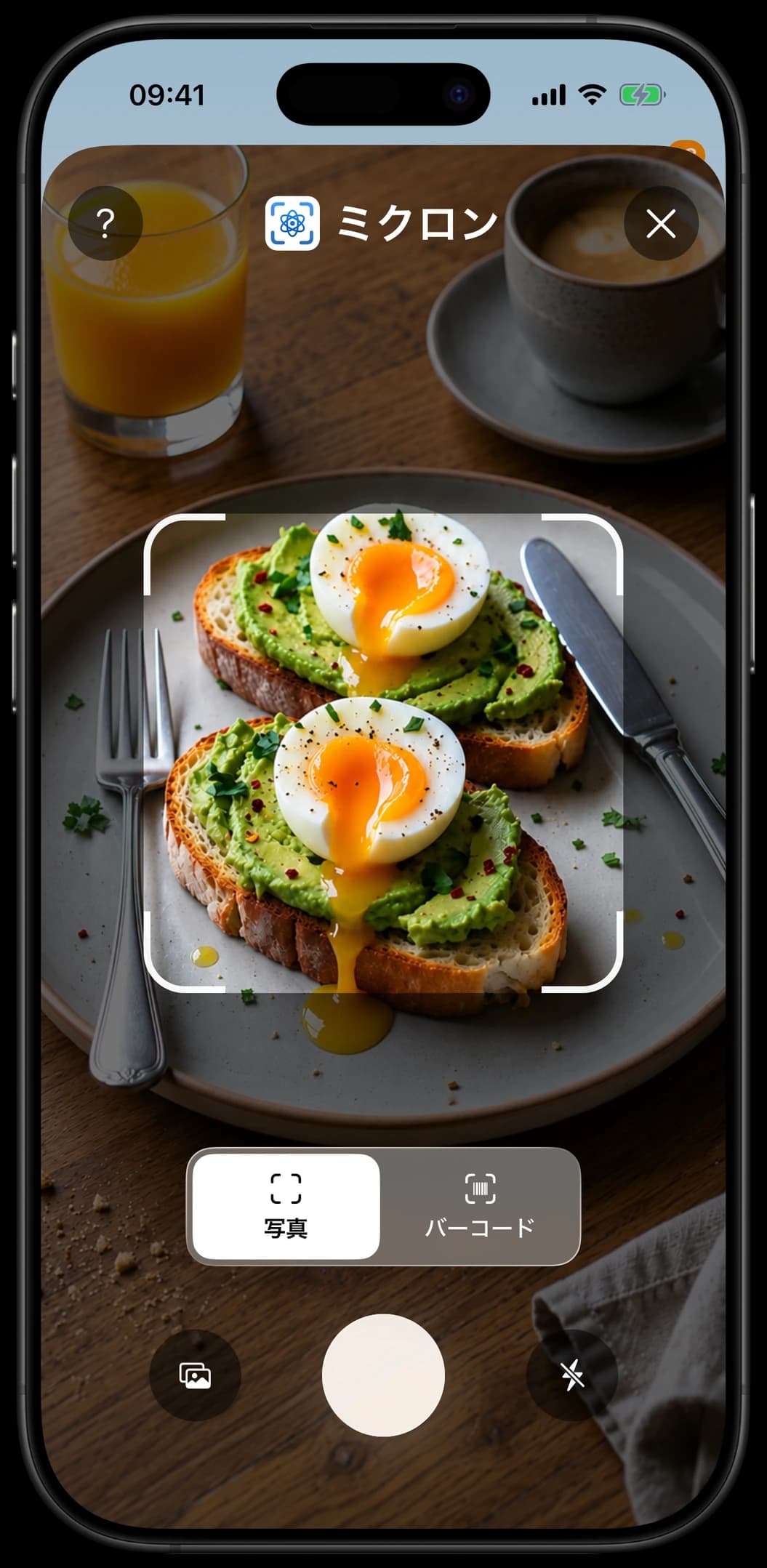
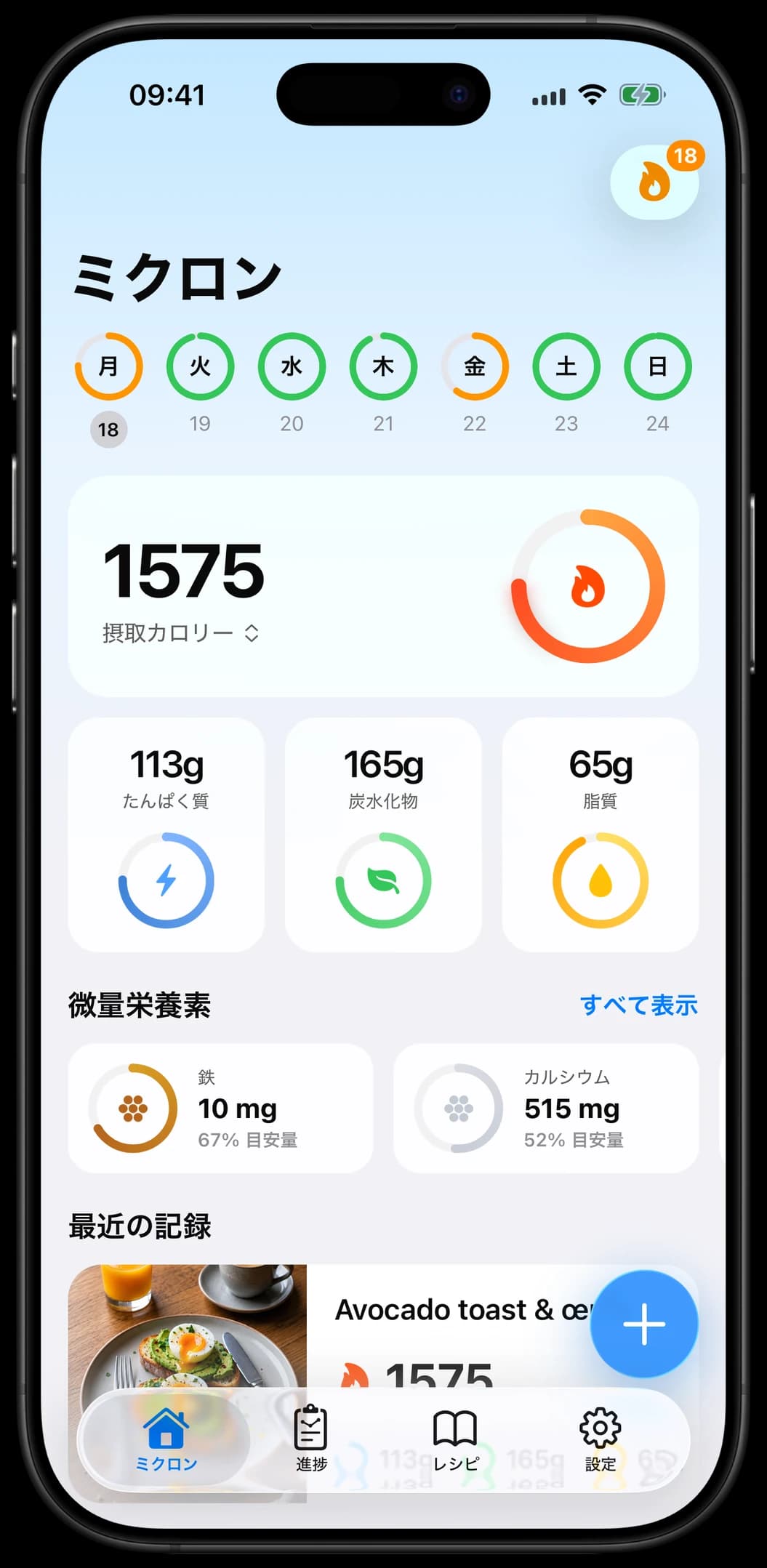
Track your protein with Micron

AI scan, protein + macro + micronutrient tracking · 150,000+ users

App StoreからダウンロードGoogle Playで手に入れる
最も充実した栄養アプリ

カロリーを写真から記録。

食事を撮るだけで、カロリー・マクロ・30種類以上の微量栄養素を即座に計算します。

App StoreからダウンロードGoogle Playで手に入れる
4.8 · 2,300件以上の評価

How does the calculation work?

Step 01

g/kg ratio based on your goal

The calculator applies a g/kg body weight ratio calibrated to your goal and activity, based on reference meta-analyses (Helms 2014, Morton 2018, Phillips 2016).

Step 02

Personalized daily total

Multiplies the ratio by your weight to give your quota in grams/day. For cutting, the ratio is set higher to compensate for muscle loss in caloric deficit.

Step 03

Optimal distribution

30–50 g per feeding across 4–5 meals spaced 3–4 h apart. Beyond 40 g of complete protein per feeding, muscle protein synthesis is saturated (Schoenfeld 2018) and the surplus is used for energy.

Why track your protein?

Protein is the only macronutrient whose intake directly drives muscle mass. Too low, you lose muscle (especially in caloric deficit). Too low in surplus, your gains stall. Calibrating this intake is the #1 action for anyone training, losing weight or recompositing.

Beyond muscle, protein has a satiety effect superior to carbs and fat (high thermic effect: 25–30% of calories are burned during digestion vs. 5–10% for the other macros). This makes it a major lever for sustainable weight loss.

How much protein based on your profile?

Evidence-based recommendations vary by profile. The official RDA (0.8 g/kg) is a minimum to avoid deficiencies in a sedentary person — not an optimum. For anyone active or chasing physical results, needs are 2 to 3 times higher.

ProfileRecommended intakeExample (75 kg)
Healthy sedentary0,8–1,0 g/kg60–75 g/day
Active (light sport, weight loss)1,4–1,6 g/kg105–120 g/day
Regular lifter (lifting 3×/week)1,6–2,0 g/kg120–150 g/day
Bulking / intense lifting1,8–2,2 g/kg135–165 g/day
Cutting (trained athlete)2,2–2,8 g/kg LBM150–200 g/day

g/kg = grams per kg of body weight. LBM = lean body mass (weight × (1 − body fat%)).

6 tips to optimize your protein

01

Aim for 30–50 g per feeding

Muscle protein synthesis saturates around 30–40 g of complete protein. Beyond that, the surplus goes to energy or is converted to glucose, not muscle.

02

Space feedings 3–4 hours apart

Maintaining repeated leucine peaks across the day (4–5 feedings) maximizes 24-hour protein synthesis vs. 1–2 large meals (Schoenfeld 2018).

03

Prioritize animal sources when possible

Complete essential amino acid profile, high protein density (chicken: 30 g/100 g vs. lentils: 9 g/100 g). Plant sources work too but require +10–15% total intake and combining sources.

04

Whey is convenient, not magic

At equal total intake, no difference vs. solid food on long-term results (Morton 2018). Useful if you struggle to hit your quota or as a post-training snack.

05

Track 7–14 days to calibrate your eye

Most people underestimate their intake. An app (like Micron) for 7–14 days is enough to spot your gaps and adjust without lifelong tracking.

06

No more than 2.5 g/kg for most

Beyond that, no proven benefit on muscle protein synthesis (Morton 2018). Higher ratios (up to 3.1 g/kg LBM) only apply to strict cuts in trained athletes.

Frequently asked questions about protein

Scientific sources

The ratios and recommendations used by this calculator rely on 8 peer-reviewed studies and publications, listed below. All links point to the original source (PubMed, scientific journals).

  1. [1]Helms ER, Aragon AA, Fitschen PJ (2014). Evidence-based recommendations for natural bodybuilding contest preparation: nutrition and supplementation. Journal of the International Society of Sports Nutrition. View sourcePMID : 24864135
  2. [2]Morton RW, Murphy KT, McKellar SR, et al. (2018). A systematic review, meta-analysis and meta-regression of the effect of protein supplementation on resistance training-induced gains in muscle mass and strength in healthy adults. British Journal of Sports Medicine. View sourcePMID : 28698222
  3. [3]Schoenfeld BJ, Aragon AA (2018). How much protein can the body use in a single meal for muscle-building? Implications for daily protein distribution. Journal of the International Society of Sports Nutrition. View sourcePMID : 29497353
  4. [4]Phillips SM, Chevalier S, Leidy HJ (2016). Protein "requirements" beyond the RDA: implications for optimizing health. Applied Physiology, Nutrition, and Metabolism. View sourcePMID : 26960445
  5. [5]Antonio J, Ellerbroek A, Silver T, et al. (2016). A high protein diet has no harmful effects: a one-year crossover study in resistance-trained males. Journal of Nutrition and Metabolism. View sourcePMID : 27807480
  6. [6]Devries MC, Sithamparapillai A, Brimble KS, et al. (2018). Changes in kidney function do not differ between healthy adults consuming higher- compared with lower- or normal-protein diets: a systematic review and meta-analysis. Journal of Nutrition. View sourcePMID : 30192979
  7. [7]Hevia-Larrain V, Gualano B, Longobardi I, et al. (2021). High-protein plant-based diet versus a protein-matched omnivorous diet to support resistance training adaptations. Sports Medicine. View sourcePMID : 33599941
  8. [8]Jäger R, Kerksick CM, Campbell BI, et al. (2017). International Society of Sports Nutrition position stand: protein and exercise. Journal of the International Society of Sports Nutrition. View sourcePMID : 28642676
Photo of Adrien Grusse

About the author

Adrien Grusse

Micron 創業者

アドリアン・グリュスは、15万人以上のユーザーが日々の微量栄養素を記録するアプリ「Micron」の創業者です。Micron以前は、Finary(Y Combinator)のグロースチームに在籍していました。アドリアンは有資格の管理栄養士ではありません — ここでの役割は、科学的な文献を正確に、わかりやすく伝えることです。すべての記事は査読済みの文献(PubMed、Cochrane、近年のメタアナリシス)を出典として明示しており、検証可能な根拠のない主張は掲載していません。個別の医学的なフォローアップについては、医療専門家にご相談ください。

Track your protein day to day

Ultra-fast scan · Protein + macros + micronutrient tracking · Detailed stats · 150,000+ users

App StoreからダウンロードGoogle Playで手に入れる
タンパク質計算ツール: 目標別の1日のタンパク質量 — Micron