21plants this week
What’s new · Micron 7.0
Plant diversity
How many different plants did you eat this week? Micron finds them in your meals and shows how they count toward your Microbiome score.

Adrien Grusse · 2 min read
By Sunday night, who remembers if the chickpeas in their hummus have already been counted?
Micron keeps count.
Each dot lights up for a different plant you’ve eaten in the past seven days. See them all in Progress → Microbiome → Plant diversity.
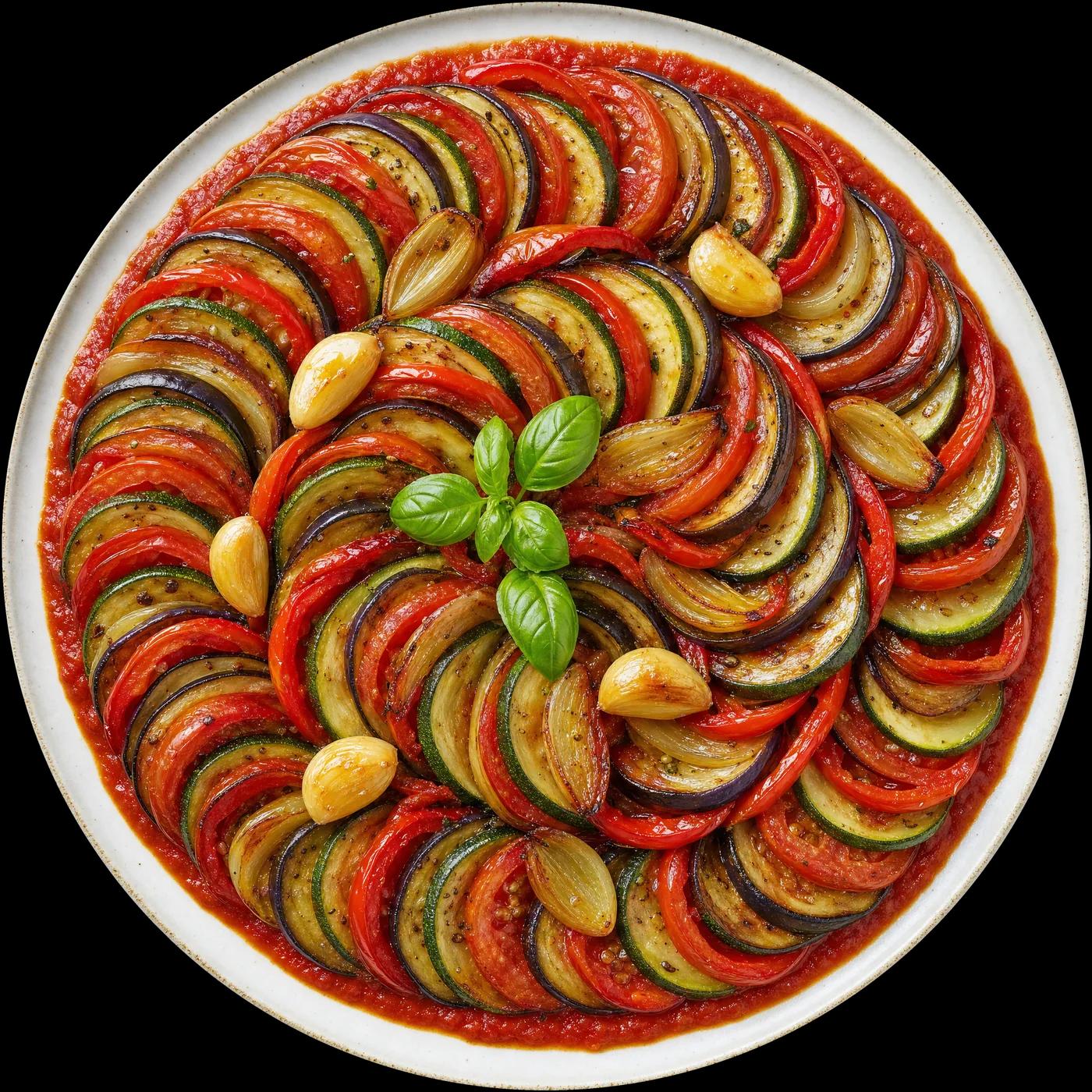
One ratatouille, six vegetables.
If you already logged tomatoes at lunch, they still count only once.
6plants
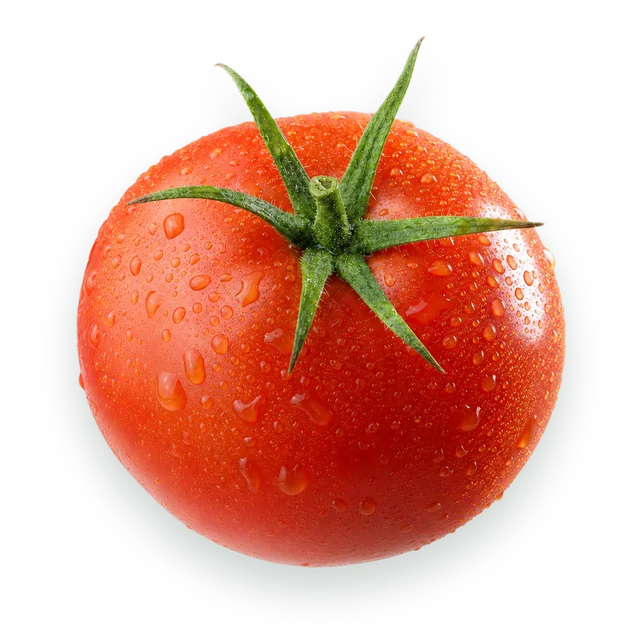 Tomato
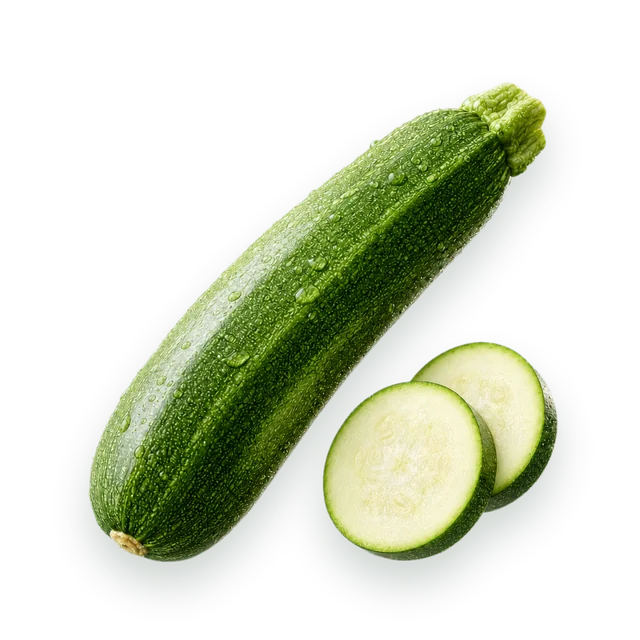 Zucchini
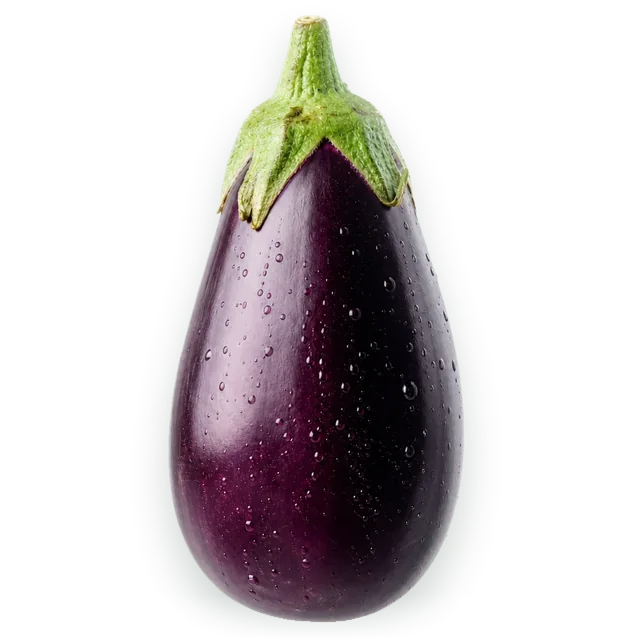 Eggplant
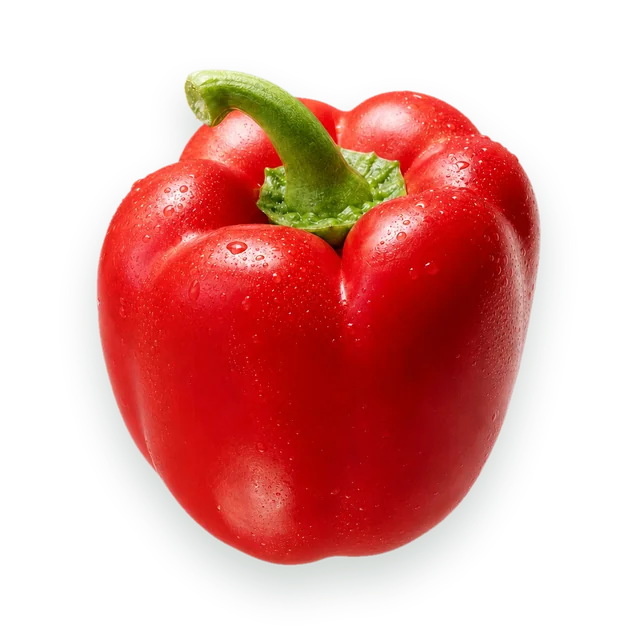 Red bell pepper
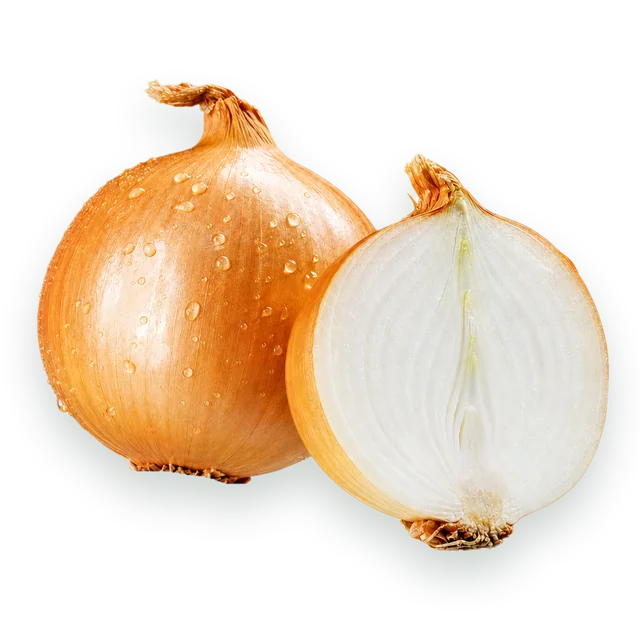 Onion
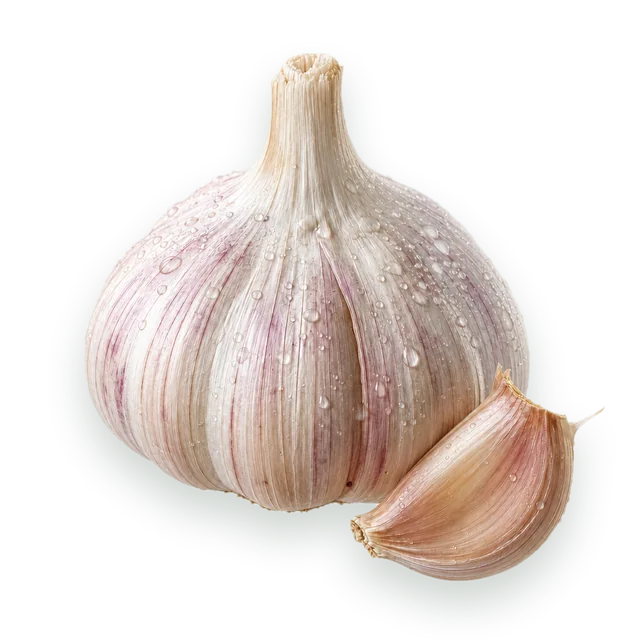 Garlic
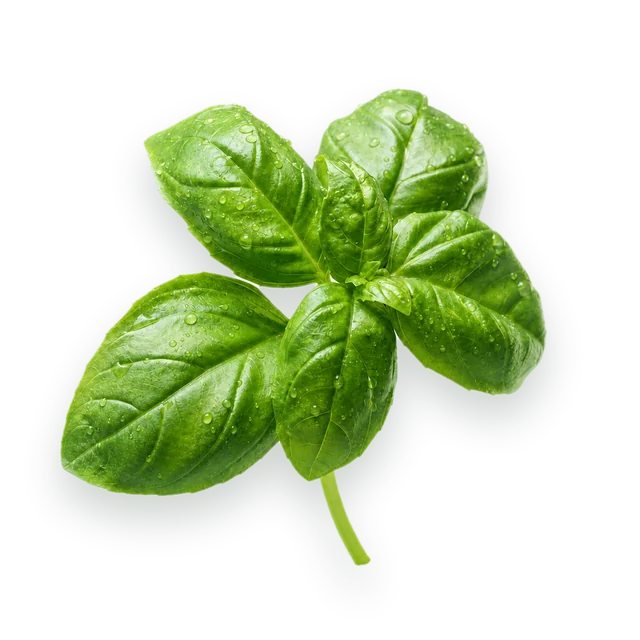 Plus basil
Wednesday


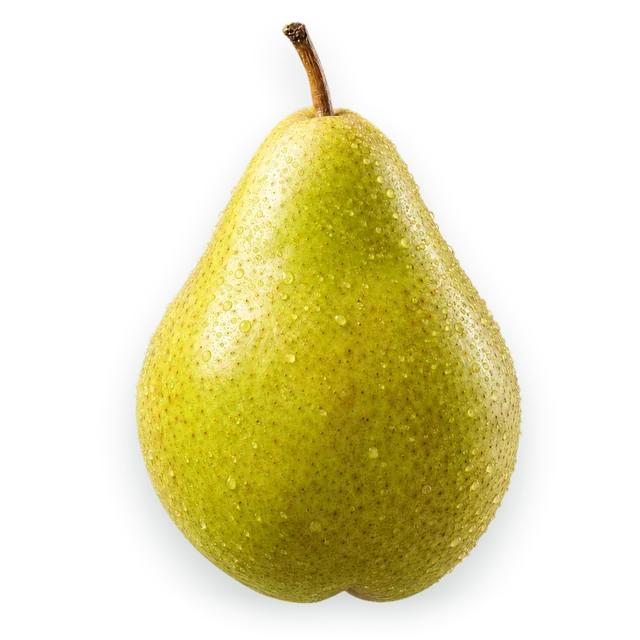

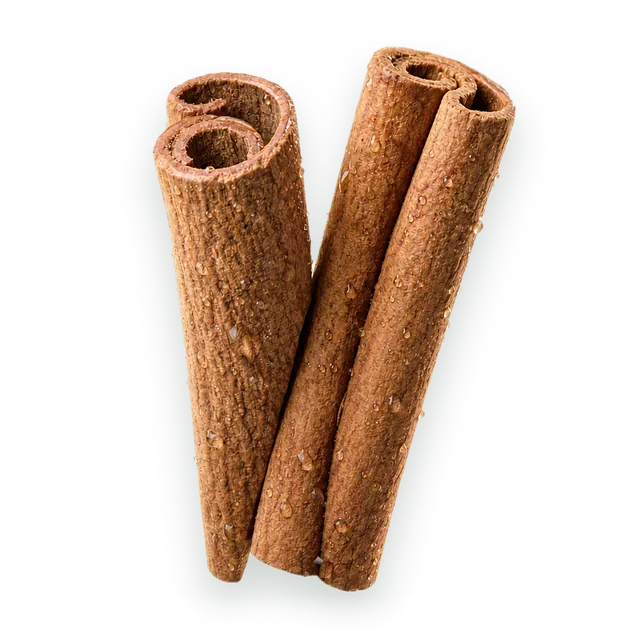
Five plants at once, including the cinnamon in a bowl of hot cereal.
Thursday
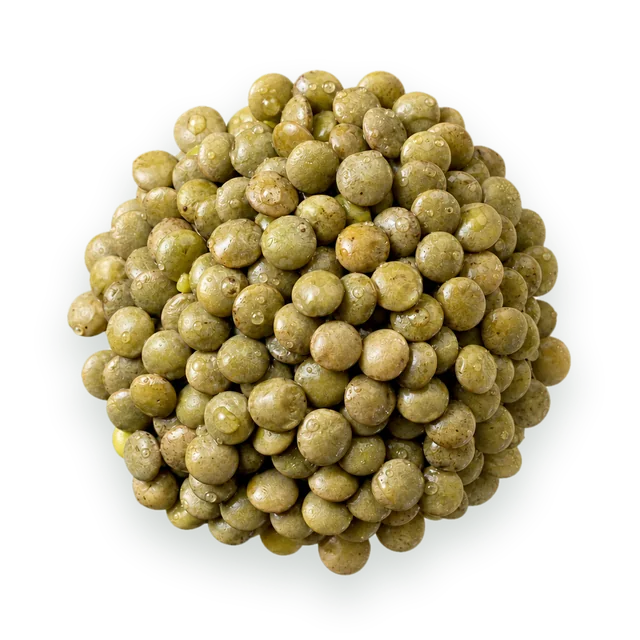
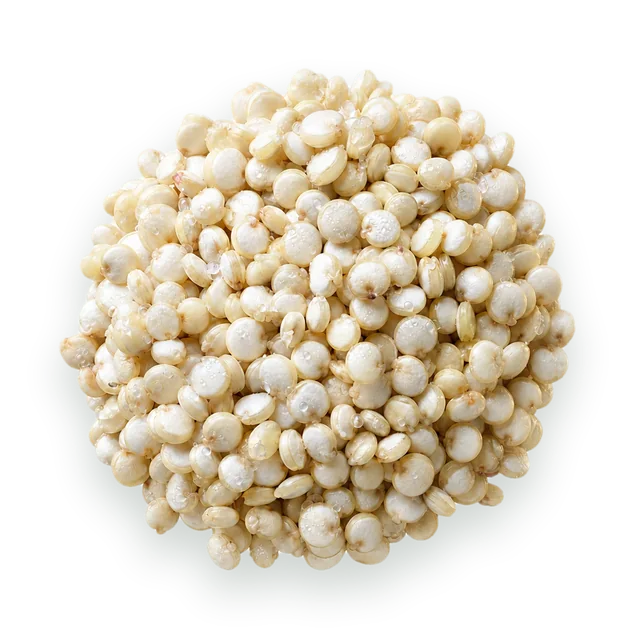
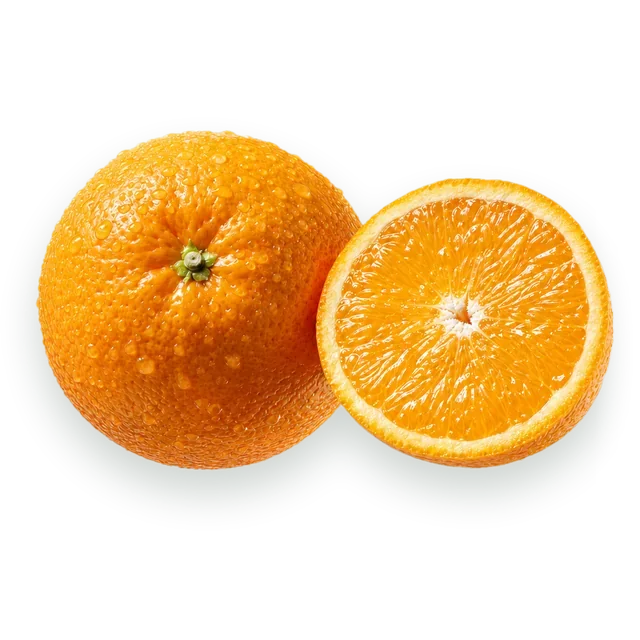
Lentils, tomato, basil, and quinoa on one plate, with an orange for dessert.
Friday
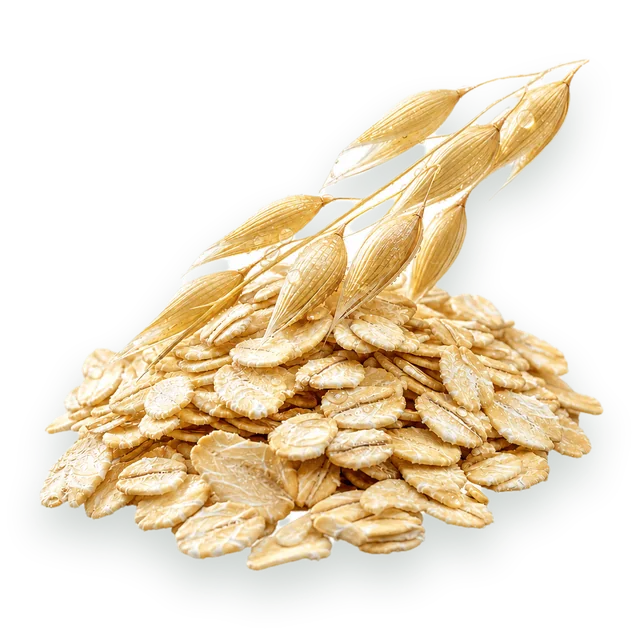
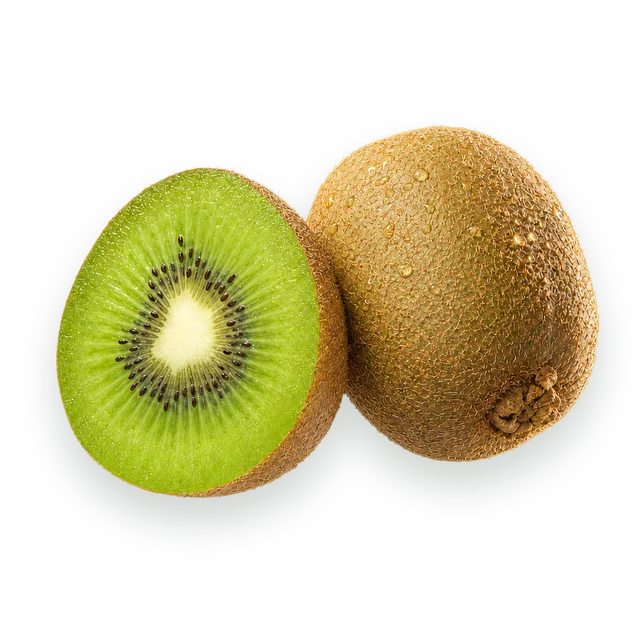

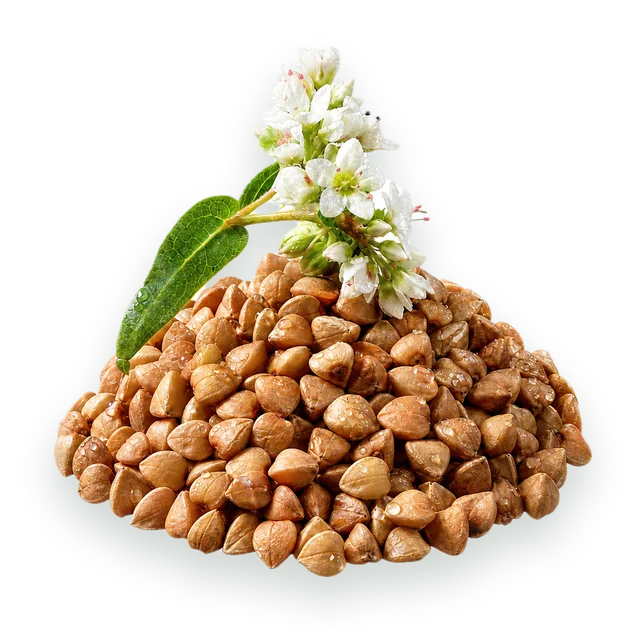
Oats for breakfast and a savory buckwheat crêpe for dinner add two whole grains.
Saturday

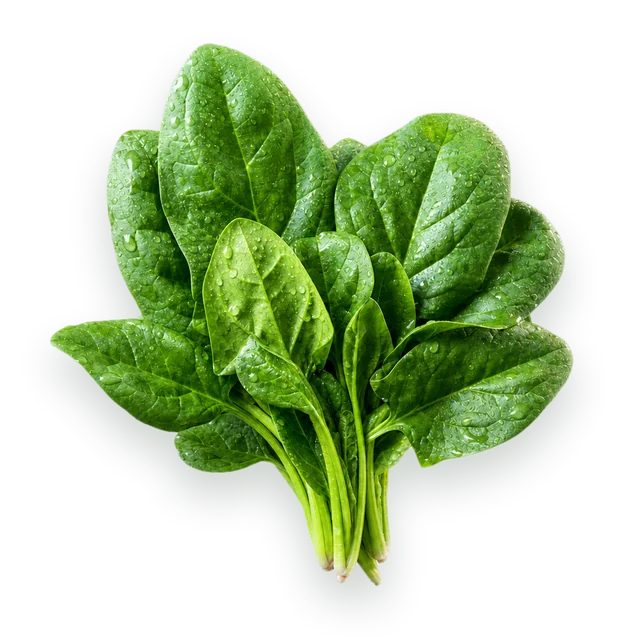
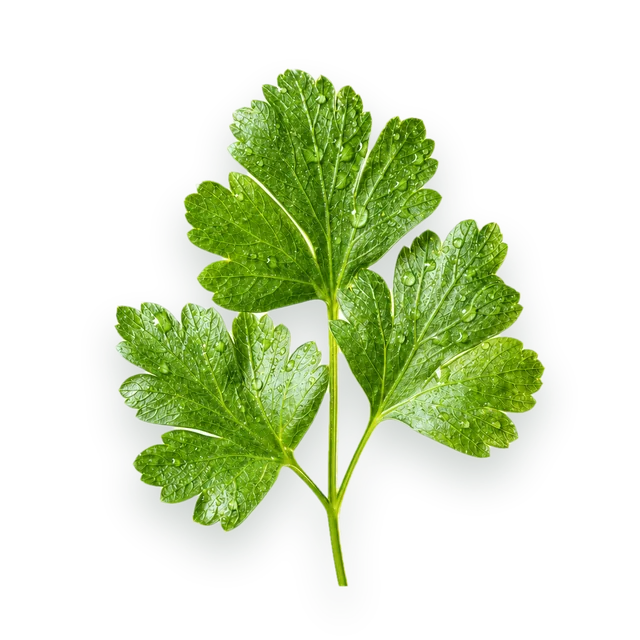
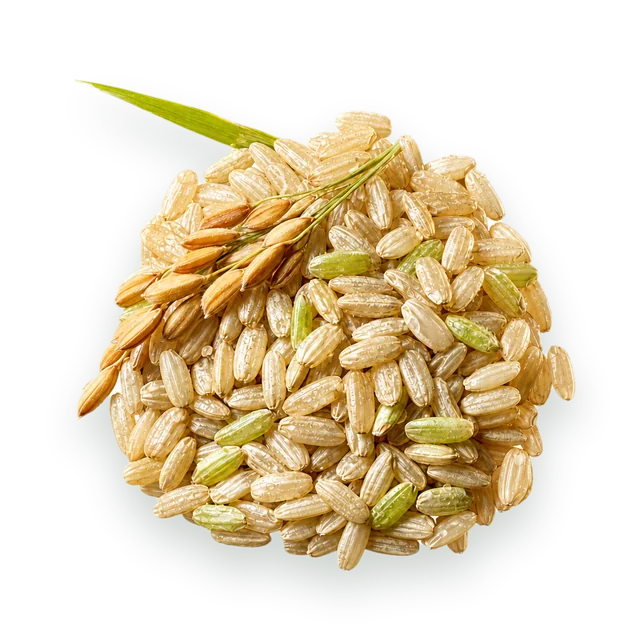
Chickpeas, spinach, parsley, and brown rice. White rice wouldn’t have counted.
Sunday
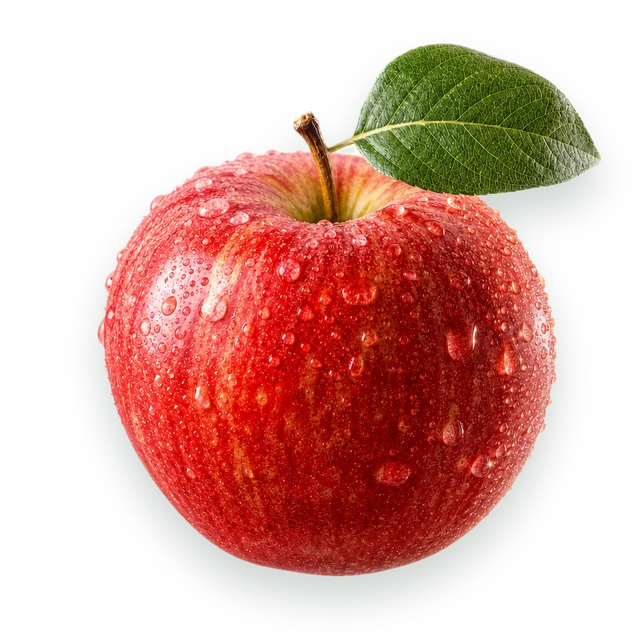
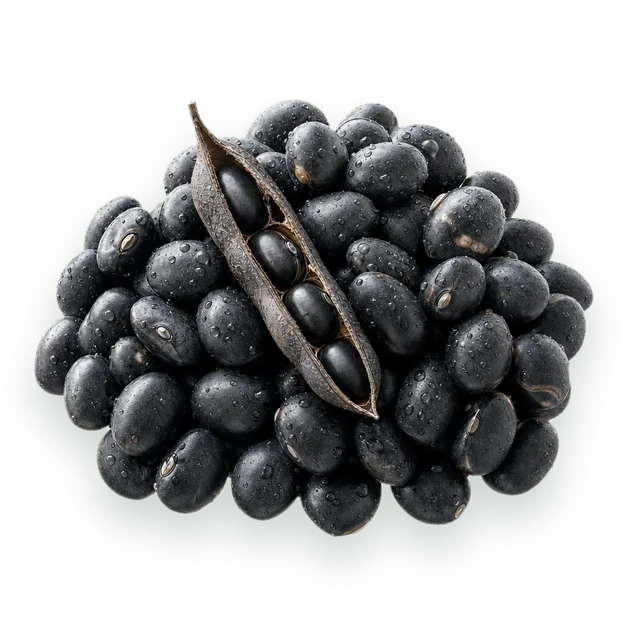

An apple, black beans, and lemon bring the week’s total to 21.
Plant diversity
21 / 30 plants


 5Vegetables


 8Fruits

 3Legumes
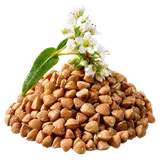
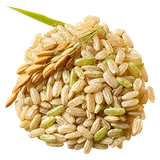 4Whole grains
- 0Nuts and seeds
 1Herbs and spices
Which plants count?
Plants from six families count, including chickpeas, rolled oats, nuts, and even the cinnamon in your hot cereal.

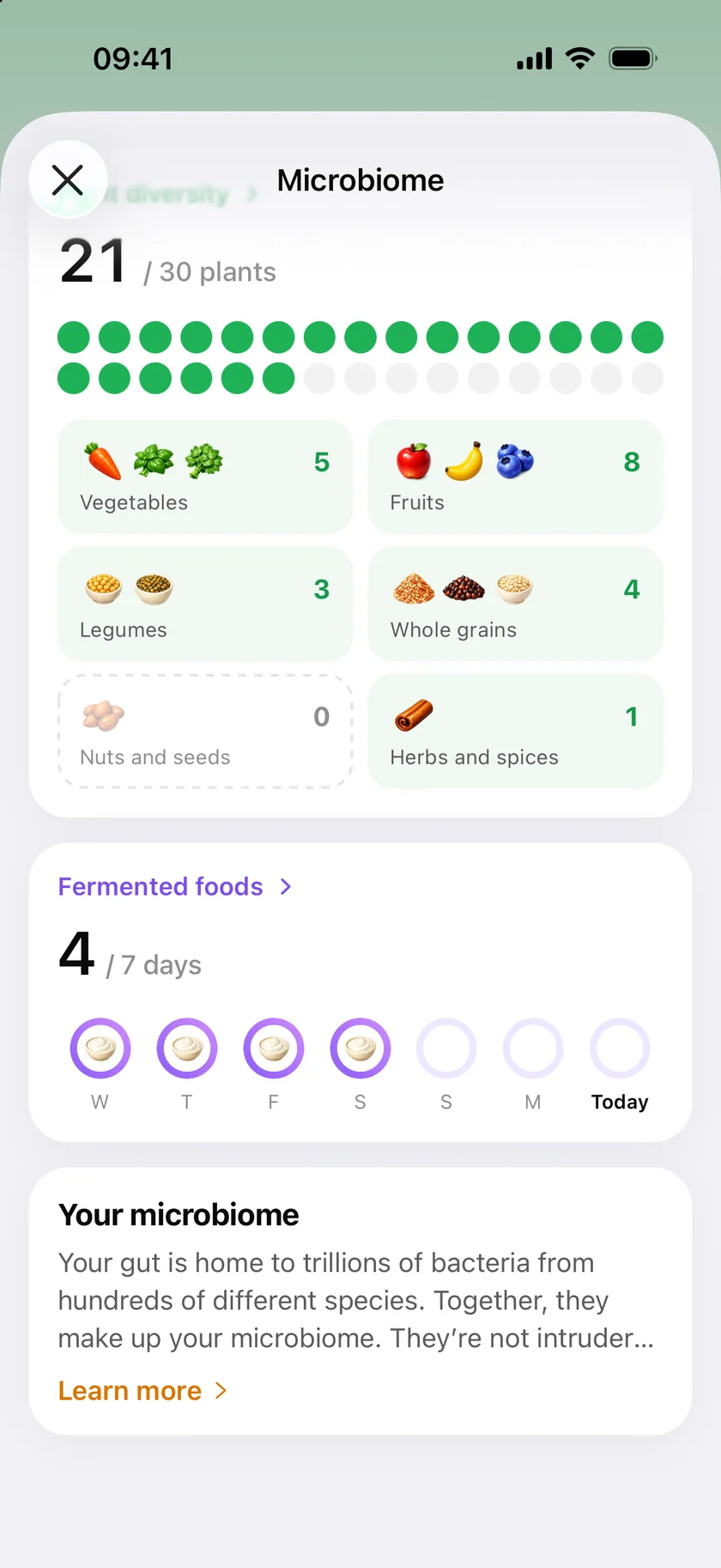
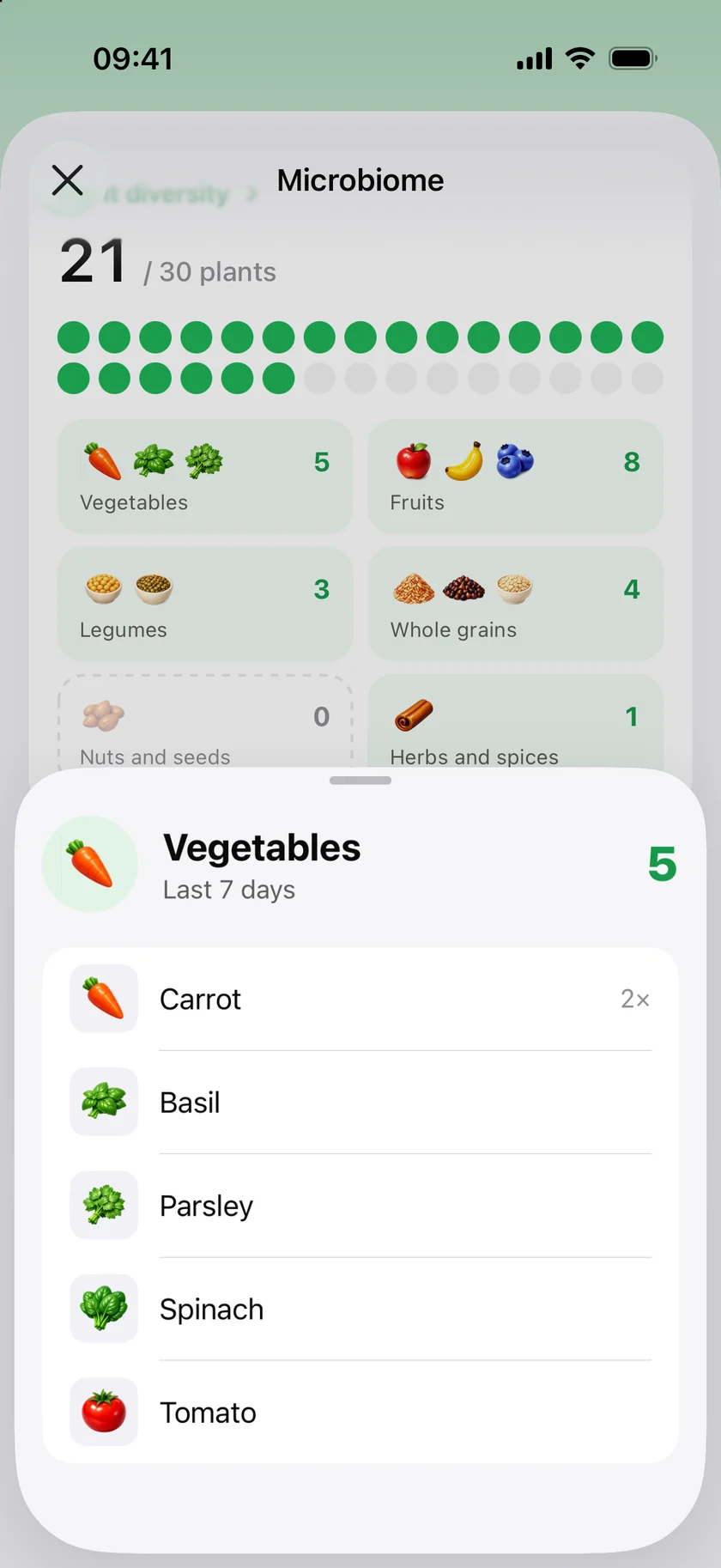
The sample week includes eight fruits and no nuts. Tap a family to see its list.
Why use 30 plants as a guide?
The American Gut Project observed differences in gut microbiomes between people who reported eating fewer than 10 types of plants a week and those who reported eating more than 30. Micron uses 30 as a guide to variety. The study didn’t establish a threshold for good health. Read the study (2018)
From plant count to Microbiome score
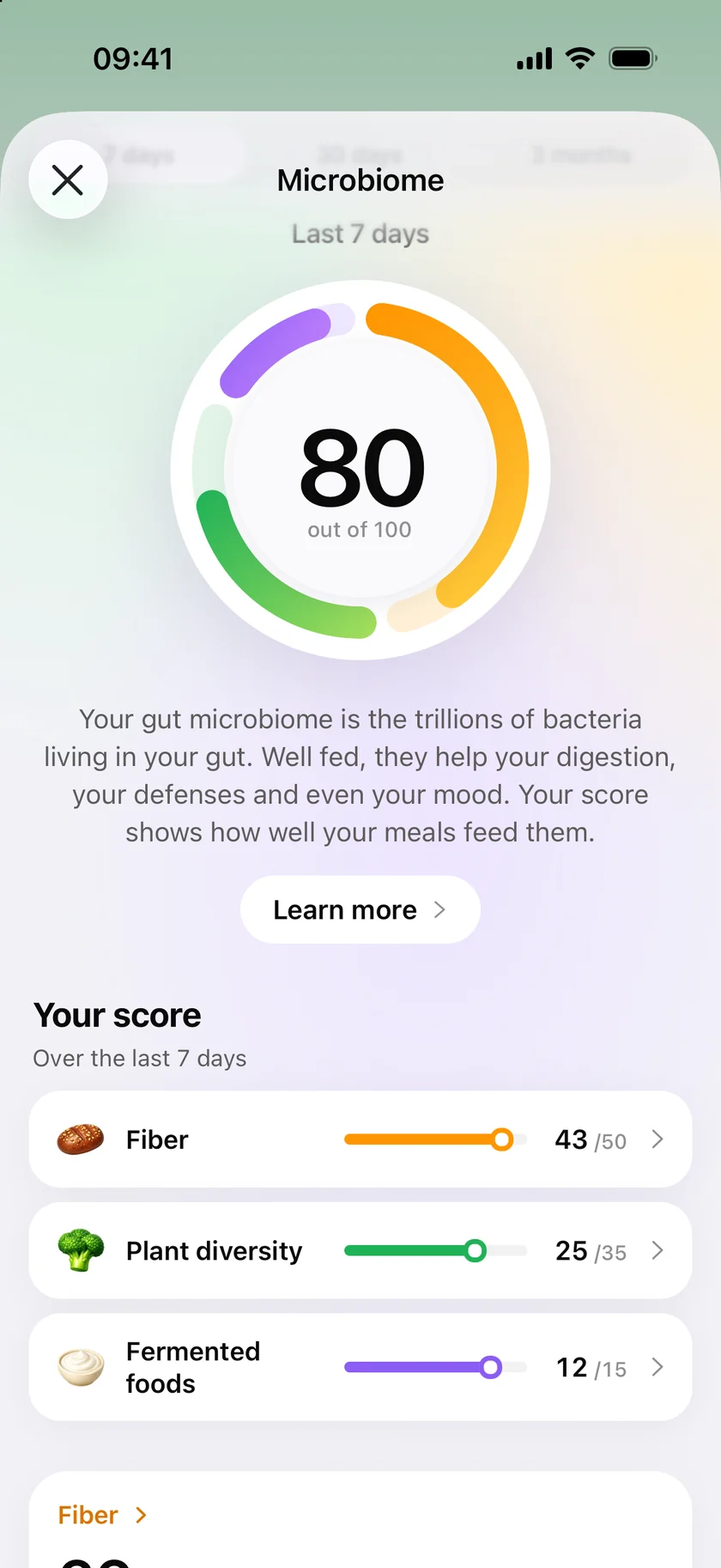
Fiber
43 / 50
Micron compares each day’s fiber intake with a target of 30 g, then averages the results.
In the sample week, an average of 26 g a day earns 43 points.
Plant diversity
25 / 35
Each new plant adds to this part of your score until you reach 30 different plants.
The sample week earns 25 points for 21 different plants.
Fermented foods
12 / 15
A helping of yogurt or a glass of kefir counts as one serving. Micron counts up to one serving a day.
Four servings of yogurt over five logged days earn 12 points.
When will I see my score?
You can see which plants Micron recognizes from the first meals you log. Your score out of 100 appears once you’ve logged enough food on four of the past seven days. If you’re under 18, you’ll see all three benchmarks without a score.
How much do I need to log for a day to count?
A day counts once you’ve logged at least 600 kcal and fiber data covers at least 80% of those calories. If Micron analyzes a meal and has no fiber data for it, it records 0 g of fiber for that meal. Micron uses the 600 kcal minimum to check that you’ve logged enough food to calculate a score.
Why can my plant count go down?
The 7 days view ends today. If you eat chickpeas on Monday and don’t have them again, they drop out of your count the following Monday. That’s why your total can go down even on a day you log a meal.
The 30 days and 3 months views show a weekly average. Micron looks back four weeks or thirteen weeks, respectively, and includes the weeks with enough logged data. For example, weekly counts of 10, 14, 14, and 18 plants average out to 14 plants per week. If no week has enough data for a score, you’ll still see an average for the weeks when you logged a meal.
For a meal idea, go back to 7 days and tap a family with few entries. If you eat a wide variety of vegetables but “Nuts and seeds” is empty, add a handful of nuts to your next bowl of oatmeal. You’ll see your first entry in that family.
What details should I log?
Name the vegetables in your soup. If you just log “vegetables,” Micron can’t tell which ones to count. For grains, it also matters how they’re prepared. Brown rice counts when you log it as brown rice. White rice and regular spaghetti don’t count.